News
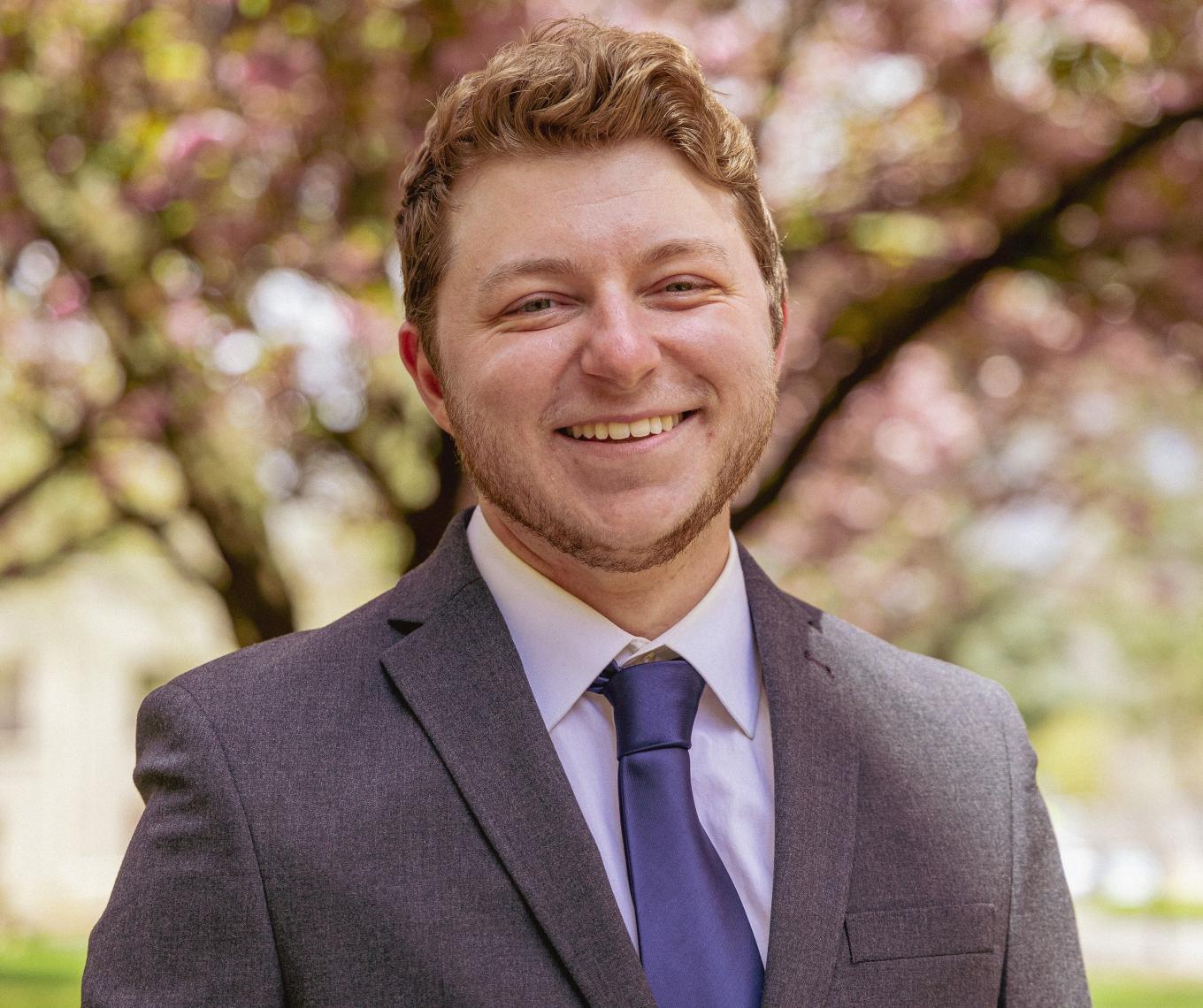
Doctoral student spotlight: Jaylen Santos
Jaylen Santos is in the third year of his PhD in developmental psychology at ICD. He is on the developmental science track, working with Sylia Wilson as his advisor. Along with Jasmine Banegas, Santos is one of two ICD doctoral students who were selected for a Leadership Education in Adolescent Health (LEAH) Fellowship in 2025-26. The LEAH Fellowship is a federally funded program housed in the Division of General Pediatrics and Adolescent Health in the University of Minnesota’s medical school. Fellows engage in research related to pediatric and adolescent health, but they also receive multidisciplinary training to take on leadership and advocacy roles. Santos’ research relates to substance use among LGBTQ+ youth. He presented his research in the Department of Pediatrics Three-Minute Thesis Competition this spring and won first place. In this Q & A, Santos discusses the LEAH fellowship and what his research has revealed about the relationship between substance use and out-of-school activities.
ICD: Tell us a bit about the research project you are working on for the LEAH Fellowship.
Jaylen Santos: I am working on a research project examining substance use in sexual and gender minority youth in Minnesota. I’m looking at protective factors such as quantity and quality of after-school programs to reduce use. I will be taking the results from that research and presenting it to representatives from the Minnesota State Legislature this June to round out the year. The legislators will get a policy brief ahead of time, and each of the four LEAH fellows will talk for five to seven minutes and then answer questions. This panel of legislators is a diverse group, including diverse political affiliation, although they mostly represent the metro area.
How do sexual and gender minority youth differ from the rest of the population in their substance use?
JS: These youth are at higher risk of substance use. Overall, use among adolescents has been declining and the age of initial use has been increasing. That’s not the case for LGBTQ+ adolescents. So I’m trying to figure out why and how we can reduce risk for these youth, using existing datasets.
For my LEAH project, I’m using data from the 2022 Minnesota Student Survey. This survey is designed by a great interdisciplinary team with input from youth and the community about what questions to ask. Students take the survey in school. It asks about bias-based discrimination, so we can look at rates of bullying. But it also asks: What in your life is going well? What do you enjoy doing?
A lot of the variables in terms of adolescents’ risk of substance use are related to outside-of-school activities. So the Minnesota Student Survey asks: Do you feel safe in your out-of-school activity? Are you forming trusting relationships with adults and peers? Are you developing career and leadership skills? We use this information to see if an individual is having a high-quality experience. There are about nine broad categories of questions about program quality that cover any type of out-of-school activity that a teen can be involved in.
Have you found evidence that out-of-school activities make a difference in terms of adolescents’ substance use?
JS: Yes, a high-quality out-of-school environment does provide protection against substance use. In fact, the effect sizes are quite large. In the past, it was commonly thought that just being involved in many activities and being busy is enough to protect you. But in fact, just being busy with activities without ensuring quality is not protective, and for alcohol use it’s actually a risk factor. Now research is focused on high-quality activities, and it’s been an incredible finding.
What are the takeaways that you’ll be sharing with legislators?
JS: I have two main points. First, I’ll advocate for training for adults so that out-of-school activities are inclusive of all identities. If belonging is what counts, we need better training and to disrupt bias-based bullying when that happens. Also, we know we need to invest in out-of-school programs, but it’s not just how many days youth spend in those programs, but which adults are in the room.
Second, we need to fund this very important instrument, the Minnesota Student Survey. When the legislature takes a hard look at the state budget, this is something that I believe they should continue to fund via agencies like the Department of Education. We need to start conversations between politicians and school officials about this survey. It provides districts with valuable data across many domains.
How does the LEAH program prepare you to enter the policy conversation?
JS: The LEAH program develops your advocacy skills, so you take what you’ve found and learn to give a bird’s eye view of your research. LEAH Fellows attend a seminar all day on Fridays, so we started prepping to present to legislators back in October.
The LEAH Fellowship is incredible—the training you receive and the connections you make are fantastic. I really hope it becomes known in ICD broadly. The program accepts one or two pre-doctoral candidates every year. It sets fellows up for a public health orientation to add to their academic preparation. I feel very lucky to have had this opportunity for cross-training between ICD and the Department of Pediatrics.